

Free music services and tiers means listening to songs with an ad or two in between. You can’t skip it, but you can tolerate it. Could the same work to pay for journalism?
Streaming services have changed the landscape of how we listen to music, but the concept isn’t wholly different from the way many of us listened to radio in the past. Not necessarily our kids today, but definitely anyone who grew up before 2010.
It has very likely changed the way older services have needed to adapt when it comes to keeping the lights on and people employed. That’s a problem journalists and publishers are dealing with also.
Back in the old days (because that’s what they were), listening to music in a constant stream meant listening to a commercial or a block of ads somewhere in between. Commercial radio typically meant a combination of music with ads mixed throughout to pay for the music and the station, plus the job of the person on the air.
Radio still does that today, but we now have more options than ever before. We can listen to radio with ads between music, and we can listen to streaming services with ads between, too. We have options.
If you’ve ever listened to Spotify’s free tier, you know all about this. Ads before a 30-minute run of music, and then ads after that time has elapsed, followed by more music. Rinse, repeat, and the same thing happens until the app switches off. It works on your phone and speakers, and if you have a Sonos system, it even works there, too.
Ad blocks like this may as well be mid-roll, a type of advertisement that sits between content, and which can be used too much.
Glance at an article on a website right now, and you’ve probably seen the very definition of “too much” used there. Ads every three or four paragraphs, or possibly even more, as publishers look to recoup any cost and make money. It’s not easy out there, folks.
Two years ago at Pickr, I removed ads because the sheer frustration between how many ads there were and what type of ads were appearing just made me wonder if there was another way. A better way, where content and journalism could be for people without the mess of ads getting in the way.
I’m still not quite there for my own publication, but I have been wondering about something for the past few months: could advertising for journalism work the same way as it does for Spotify? And if so, could publishers own their own audio-based ad network?
Obviously, there’s a lot more to this than simply running ads. Publishers already do that. Websites are a bit of a mess. They’re likely using a combination of automated Google Ads and other systems like it, and then their own paid ads on top of it.
The web can basically feel like one giant ad inter-spliced with actual information these days. Even getting through a single article on a site feels like you’re dodging advertising thrown at you like a commercially incentivised version of dodgeball.
But what if mid-roll could be simply that: something that appears in between information? And what if publishers could own their own network of sorts?
That’s partly what we’re trying to do at Elseleaf.
Ads that won’t get in your way
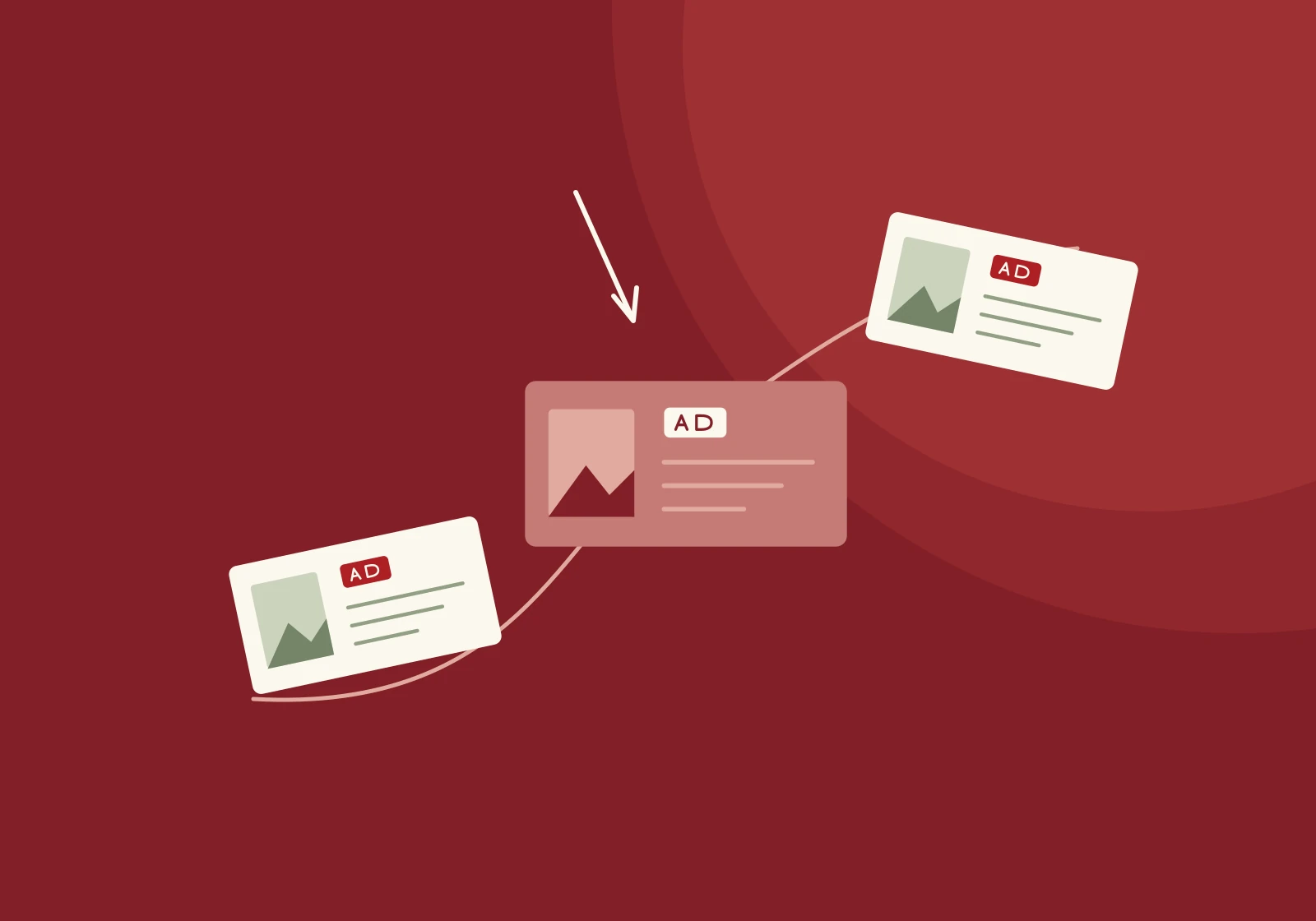
Elseleaf publications can run their own ads inside their own episodes and programmes. They can be placed between content in the episode to construct a set of articles more like how a programme on radio or TV could be designed.
But we’re also dabbling with mid-roll in article feeds, allowing the content you make and sent to Elseleaf readers to automatically play mid-roll ads from a publisher’s network of ads.
The idea is that Elseleaf users can add a site using its RSS feed and have the system merely import and read articles. That’s an option for sure. But a publisher can take hold of the feed and have Elseleaf automatically insert mid-roll in articles, insert a tail ad, or even possibly do both.
That’s the idea: the ad model used for streaming services applied to journalism, but in a way that directly benefits the publication. Big or small, publishers can benefit. Readers and listeners will be running ads from your publication, and not from an ad network that takes a portion.
For readers and listeners, they’ll hear the content and journalism they want separated by a small amount of ads that can be paid for. And depending on the publications they listen to, the ads will change. Some will have a few ads, and some will have very little. Some (like mine) may even have none.
Publishers have the say, and hopefully that say will turn into some form of keeping the lights on.
